iGaming Affiliate Programs: How They Work and How to Choose One
How iGaming affiliate programs pay, what to check in the contract before you sign, and what the rules in Denmark, Sweden and Norway mean for affiliates.

An iGaming affiliate program pays publishers, media brands and creators for sending new players to a licensed casino or sportsbook. The headline commission is the easy part to compare. What decides whether a deal is any good is the small print: how revenue is calculated, what gets deducted, and whether the market you send traffic from allows the promotion at all.
Fonvig Group has worked in performance marketing since 2015 and built iGaming media brands including Cash Casino, which it sold to Norden Media Group in 2026. This guide covers what to look at before you sign.
What Is an iGaming Affiliate Program?
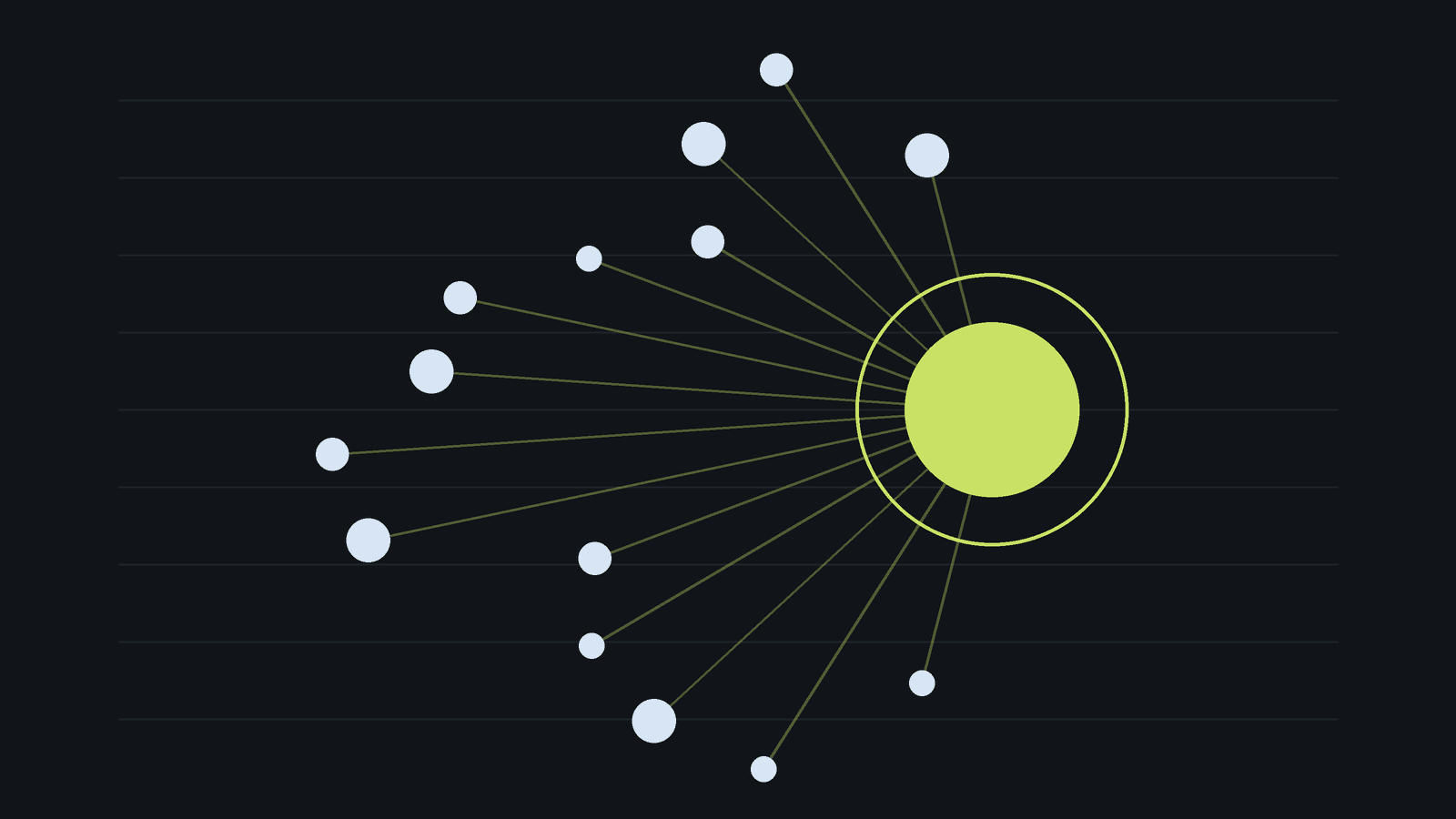
An operator gives each partner a tracking link. When a visitor clicks it and signs up, the player is tied to that partner, and the partner earns a commission under the agreed deal. Programs are run either directly by an operator or group, or through a network that bundles many brands under one account.
Direct programs usually give you a named contact and more room to negotiate. Networks make it easier to test several brands, but add a layer between you and the operator.
How Commission Works
| Model | How you are paid | Best suited to | Main risk |
|---|---|---|---|
| CPA | A fixed amount per qualifying player | Paid traffic, or anyone who needs predictable cash flow | No share of a player's long-term value |
| Revenue share | A percentage of the revenue your players generate | Content sites and communities with returning audiences | Slow start, and income swings with player results |
| Hybrid | A lower CPA plus a lower revenue share | Partners who want some of both | Each part can be less generous than a pure deal |
| Sub-affiliate | A share of the commission earned by partners you refer | Partners with a network of other publishers | Usually a small percentage |
As a rough benchmark, a guide from affiliate software provider iREV puts revenue share at 25–45%, and CPA at about $50–150 for sports betting and $100–300 for online casino. Treat those as ranges to question, not promises. Actual deals depend on the market, the quality of your traffic and your volume.
Read How Net Revenue Is Defined
A revenue share is a percentage of something, and that something varies. Gross gaming revenue (GGR) is roughly what players lose. Net gaming revenue (NGR) is what remains after the deductions listed in your contract, typically bonuses, payment fees, gambling taxes and sometimes an admin fee.
An illustrative month, using made-up numbers:
| Item | Amount |
|---|---|
| Player losses (GGR) | €10,000 |
| Bonuses | −€2,000 |
| Payment fees | −€500 |
| Gambling taxes | −€1,500 |
| NGR | €6,000 |
| Commission at 30% | €1,800 |
The same 30% paid on GGR would be €3,000. That is why a lower percentage on a clean revenue definition can beat a higher one with long deductions.
What to Check in the Contract
- Negative carryover. If your players win more than they lose, does the deficit roll into next month? With carryover, a month at −€3,000 means your next €3,000 of NGR earns nothing.
- Deductions. Get the full list in writing, including any admin fee, and how it applies by market.
- CPA qualification. Most CPA deals require a minimum deposit or wagering, and some need a minimum number of players per month.
- Payment terms. Check the payout schedule, minimum payout, currency and transfer fees.
- Changes to the deal. Can the operator change commission on short notice? Does a lifetime deal really run for the player's lifetime?
- Termination. What happens to commission on existing players if either side ends the agreement?
- Brand bidding and content rules. Many programs ban bidding on their brand name and require you to use approved offers and terms.
- Reporting. You want clicks, sign-ups, first deposits and revenue, ideally at player level, so you can reconcile each statement.
The Rules in the Nordics
Start with one question: is the operator licensed in the market you are sending players from? In the Nordics, the answer changes what you are allowed to do.
Denmark. The Danish legal guidance on gambling marketing states that advertising gambling or operators without a licence is a punishable offence. Its examples include links that help players in Denmark to play with unlicensed operators. Marketing must also comply with the Danish Marketing Practices Act, and consumer loans may not be marketed in connection with gambling.
Sweden. The Swedish Gambling Act requires moderation when marketing gambling to consumers and bans marketing aimed specifically at people under 18. It also bans promoting participation in unlicensed gambling as a business or for profit, which is what an affiliate deal is.
Norway. Norway keeps gambling under exclusive rights. The Norwegian Gambling Act bans marketing gambling that is not permitted under the Act, or contributing to that marketing. Since 1 January 2025, the regulator can also order internet providers to block sites offering unlicensed gambling aimed at Norway. Promoting offshore casinos to Norwegian players is not a grey area to build a business on.
Rules change, and this is a general overview rather than legal advice. Check the current text for each market you work in.
How to Choose a Program
- Start with your traffic. Pick operators licensed and active in the countries your audience actually lives in.
- Judge the product as a player would. Sign-up, verification, payments and support all decide whether players stay, and revenue share depends on it.
- Compare the net deal. Work out the same month under each contract rather than comparing headline percentages.
- Talk to the affiliate manager. Response time before you sign is a fair preview of response time when a payment is wrong.
- Test before you commit. Send a limited amount of traffic, check that tracking matches your own numbers, and scale what holds up.
- Keep more than one partner. Deals change and operators leave markets, so avoid depending on a single brand.
Frequently Asked Questions
What is a good revenue share for iGaming affiliates?
Industry guides commonly cite 25–45%, but the percentage means little without the revenue definition. A lower rate on NGR with few deductions and no negative carryover can pay more than a higher headline rate.
Is CPA or revenue share better?
CPA suits paid traffic and anyone who needs predictable income. Revenue share suits content sites with returning audiences that can wait for income to build. A hybrid deal splits the difference.
How do iGaming affiliates get paid?
Most programs pay on a monthly cycle once you pass a minimum payout, by bank transfer or e-wallet. Terms vary, so check the schedule and any fees in the contract.
What is negative carryover?
It means a negative balance in one month is carried forward and reduces commission in later months. Some programs reset the balance each month, which is better for the affiliate.
Can I promote casinos without a local licence?
In Denmark, Sweden and Norway, commercial promotion of gambling that is not licensed for that market is prohibited. Promote only operators that hold the licence required where your audience is.
Working With Fonvig Group
Fonvig Group plans, runs and reports on performance marketing and affiliate programs for its partners. Read more about our marketing services, or contact us to discuss a project.

Steffen Fonvig
Founder & CEO, Fonvig Group
Steffen Fonvig is a Danish-born entrepreneur who founded the company at the age of 22. Based in Oslo, Norway, he leads all operations and strategic decisions across Fonvig Group, which has grown from a web and marketing agency into an international group spanning technology, media and investments.